Spec-Driven Development vs Vibe Coding: When Each One Wins


Vibe coding is fast for throwaways and dangerous for production. Here is an honest comparison with spec-driven development, why autonomous agents need a spec, and how to pick per task.
Vibe coding is fast for throwaways and dangerous for production. Here is an honest comparison with spec-driven development, why autonomous agents need a spec, and how to pick per task.
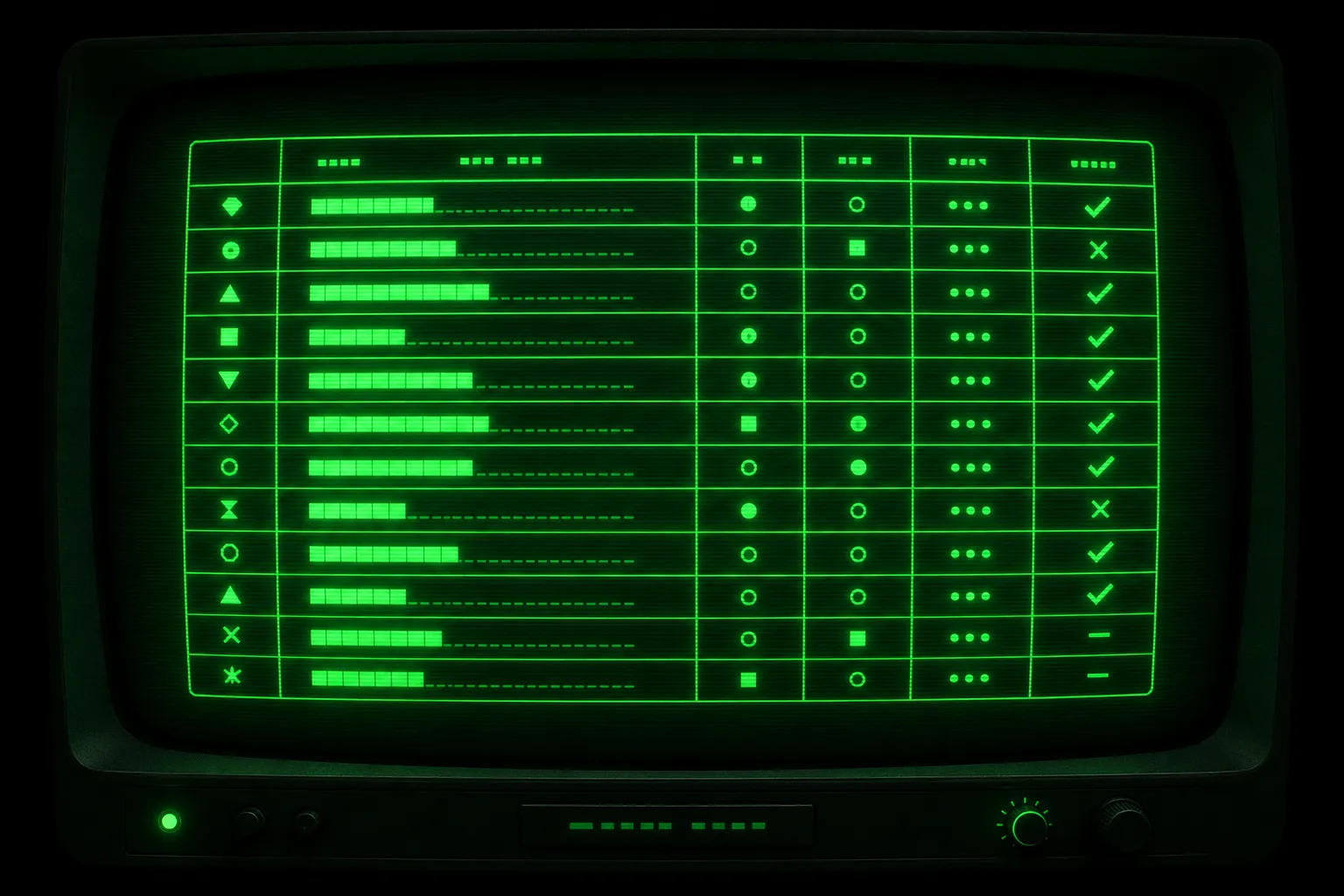
A flat task list stops working past a few dozen entries. A lookup table that indexes per-task spec files lets an autonomous agent grind through hundreds of tasks without losing track.
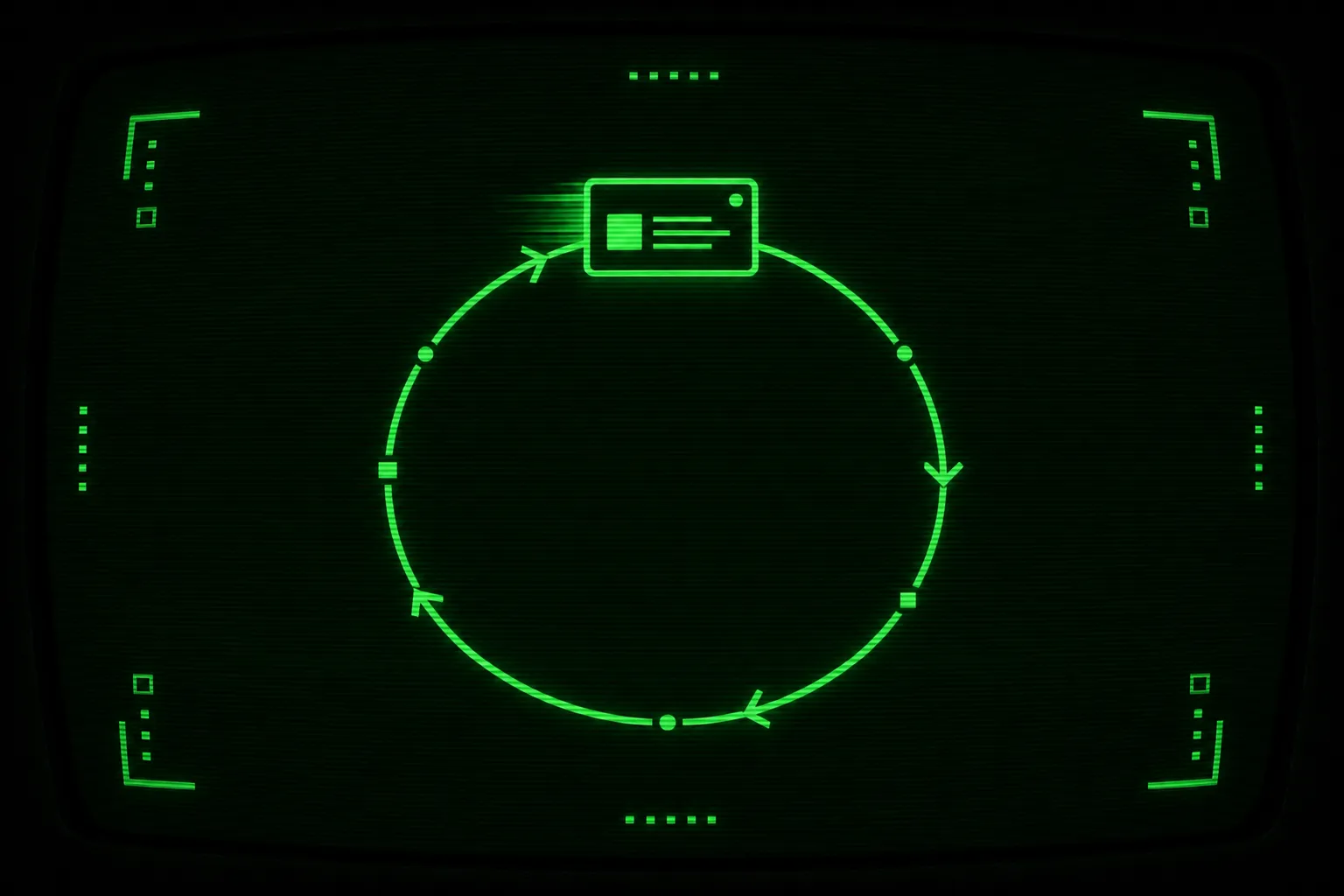
The most reliable rule for autonomous coding is one task per invocation, commit, then stop. Here is why batching tasks wrecks an agent loop and how Ralph enforces the rule.
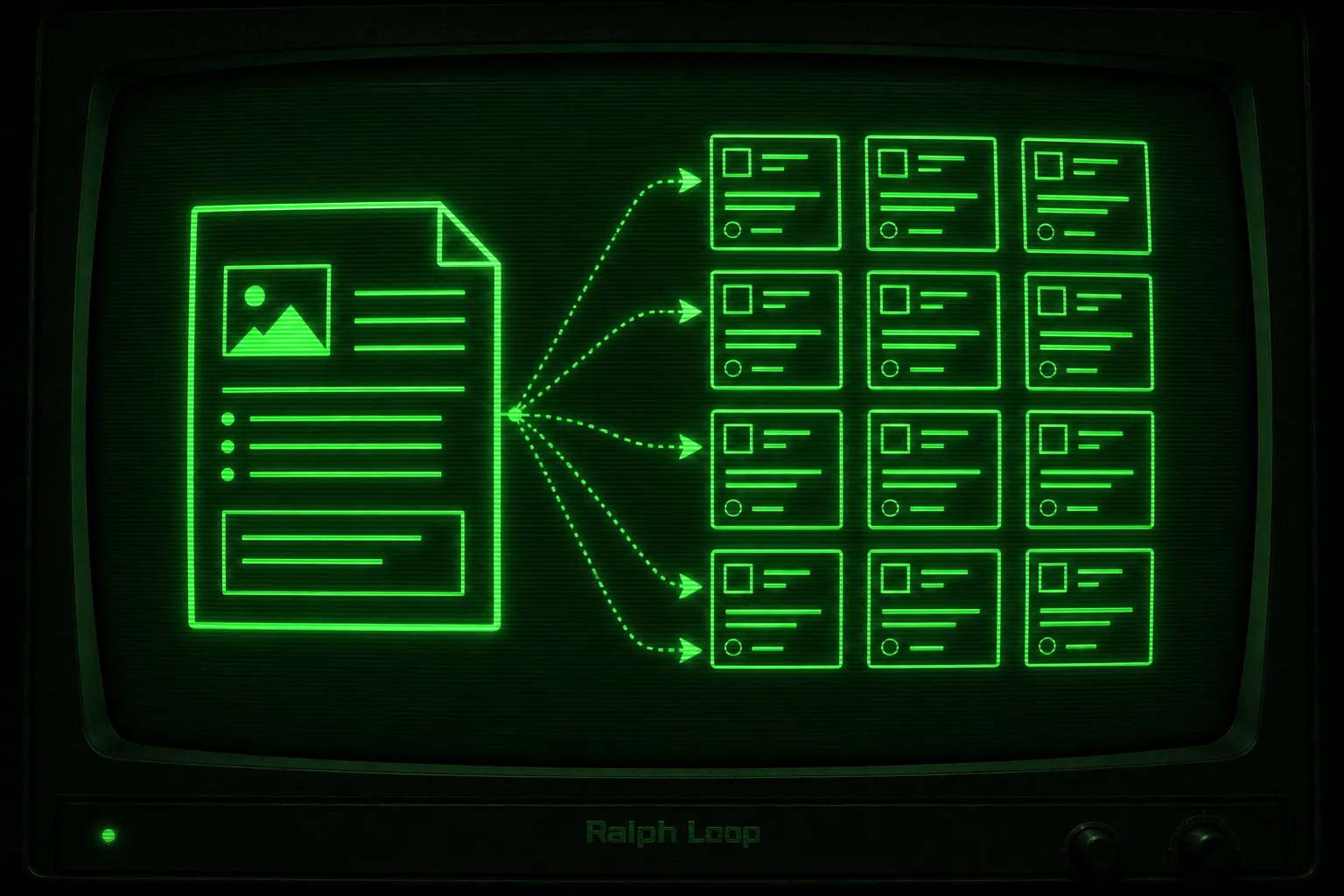
A PRD is too big for an agent to build in one shot. Here is how to decompose it into atomic, independently verifiable task packets the loop finishes one at a time.
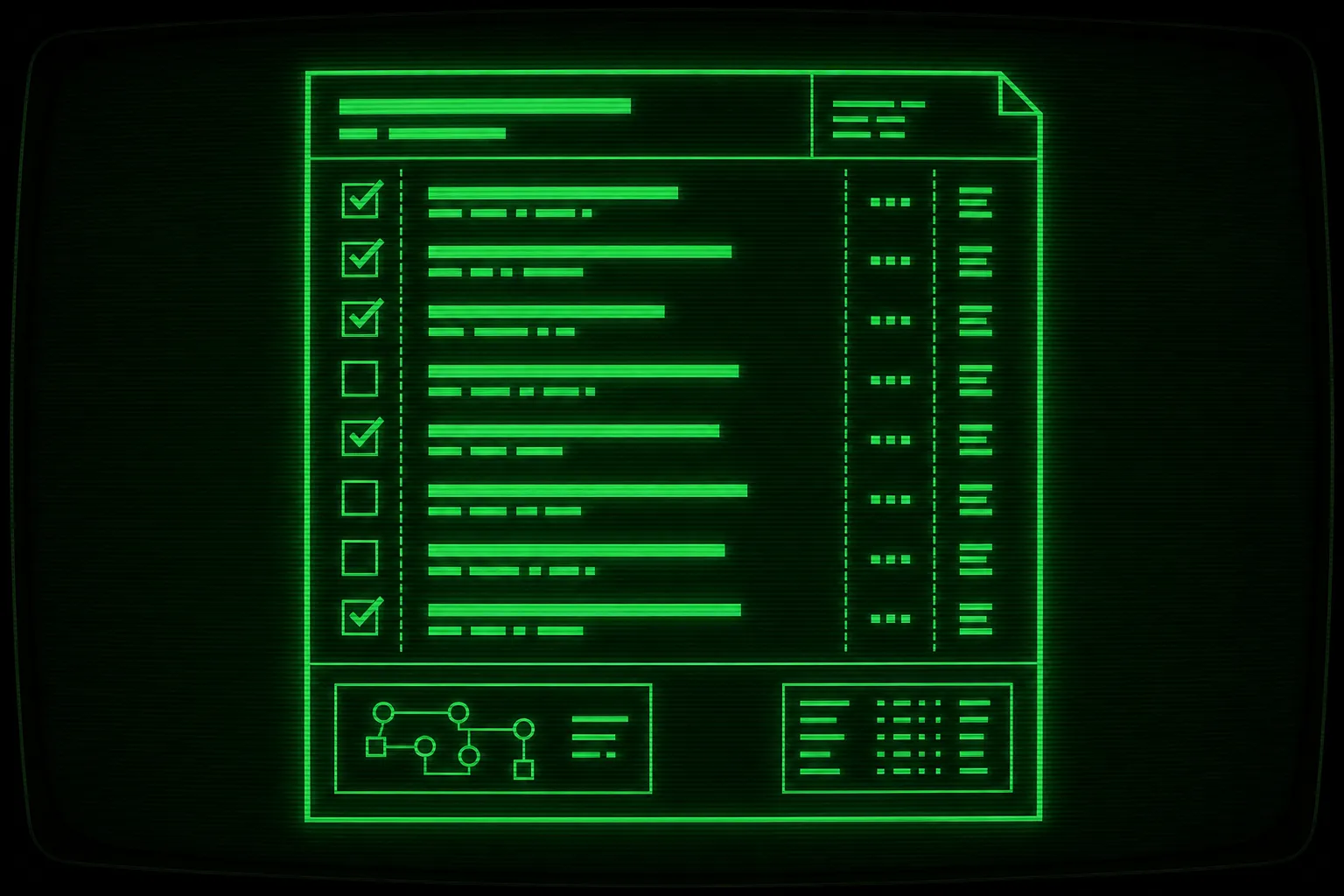
A PRD for an AI coding agent needs goals, constraints, and verifiable acceptance criteria, not a feature wishlist. Here is what goes in PRD.md and SUMMARY.md and how to draft it.
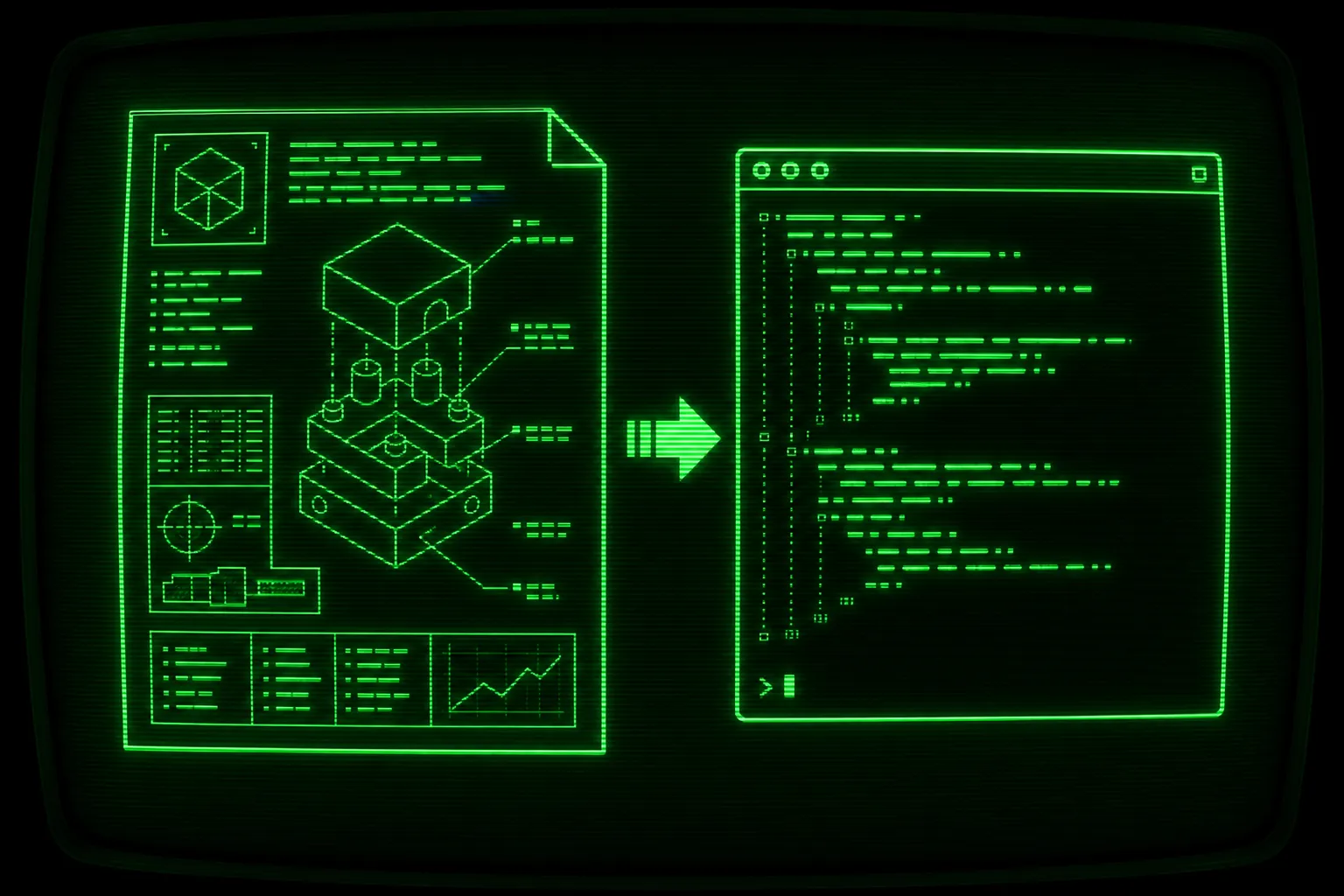
Spec-driven development hands an AI coding agent a PRD, a task list, and acceptance criteria instead of a vague prompt. Here is the full workflow and how Ralph runs it.