How to Run a Ralph Loop With the Cursor CLI

A full end-to-end setup for running the Ralph loop with the Cursor CLI: install, create a task list, log in inside the sandbox, run cursor-agent in a loop, and review the commits in the morning.
A full end-to-end setup for running the Ralph loop with the Cursor CLI: install, create a task list, log in inside the sandbox, run cursor-agent in a loop, and review the commits in the morning.
ralph.sh is the open-source shell script behind the Ralph loop. Here is how to install it, the flags that drive it, what it does on every iteration, and why it stays hackable.
Claude Code is Ralph’s default agent. A full end-to-end walkthrough for running the Ralph loop with Claude Code: install, log in inside the sandbox, loop on your task list, and review the commits.
A full end-to-end walkthrough for running the Ralph loop with OpenAI Codex CLI: install, log in inside the sandbox, drive codex exec non-interactively, pick a model, and review the commits.
A full end-to-end walkthrough for running the Ralph loop with the Gemini CLI: install, log in inside the sandbox, loop on your task list, choose a model, and review the commits.
A full end-to-end walkthrough for running the Ralph loop with the GitHub Copilot CLI: install, authenticate with gh inside the sandbox, loop on your task list, and review the commits.
A full end-to-end walkthrough for running the Ralph loop with the open-source opencode CLI: install, log in inside the sandbox, loop on your task list with your own model provider, and review the commits.
A sandbox is not a black box. Here is how to find the running microVM, shell into it with sbx exec, reproduce the failure by hand, and read the network log.
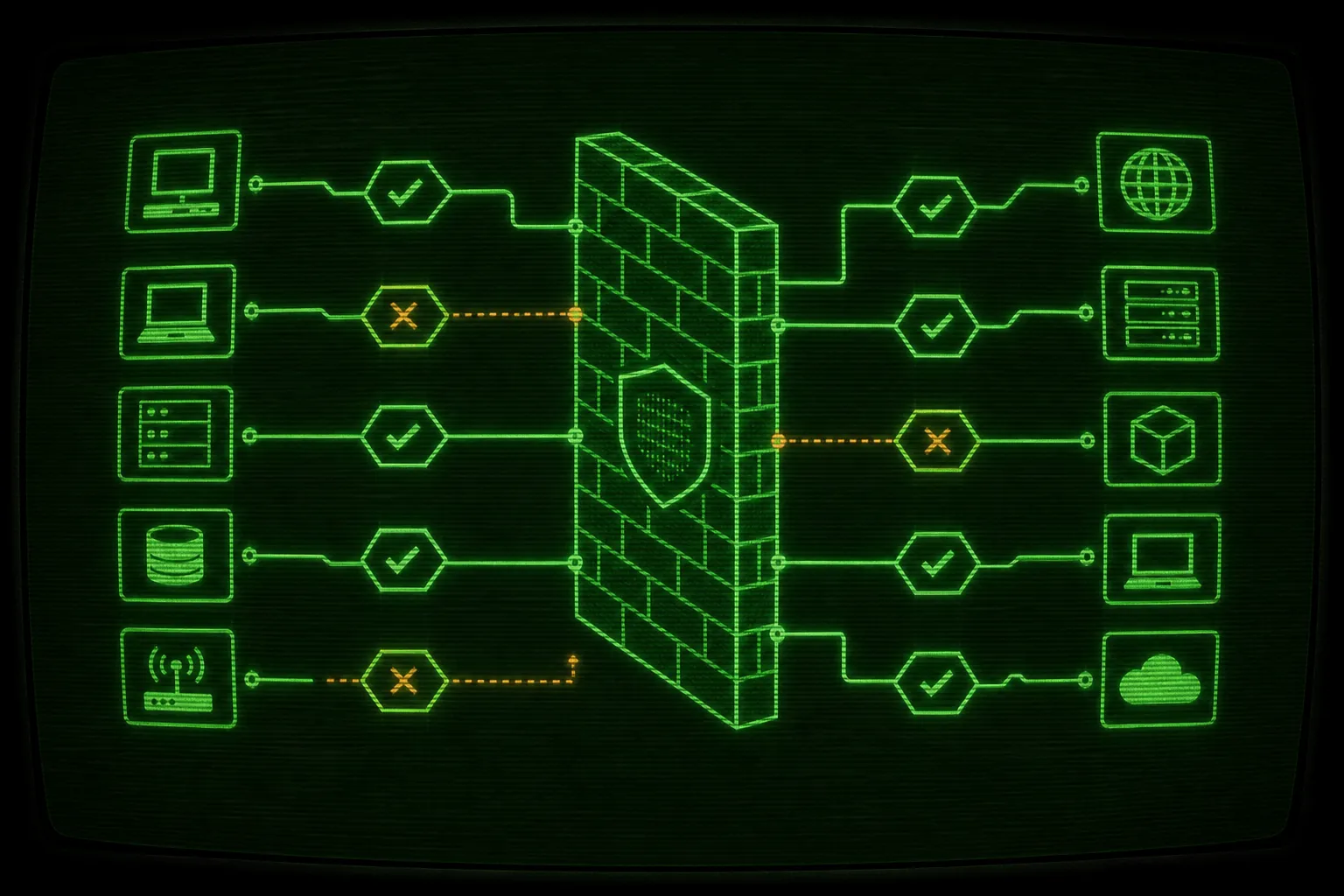
A sandboxed agent should start with no outbound network and earn each domain it reaches. Here is how to allowlist exactly what a task needs with sbx policy, so package installs work and exfiltration does not.
Bypass-permissions mode hands an agent full shell access with no prompts. That is reckless on your host and a non-event inside a Docker Sandbox. Here is how to run YOLO mode when the blast radius is contained.