How to Run the Codex CLI in an Autonomous Loop
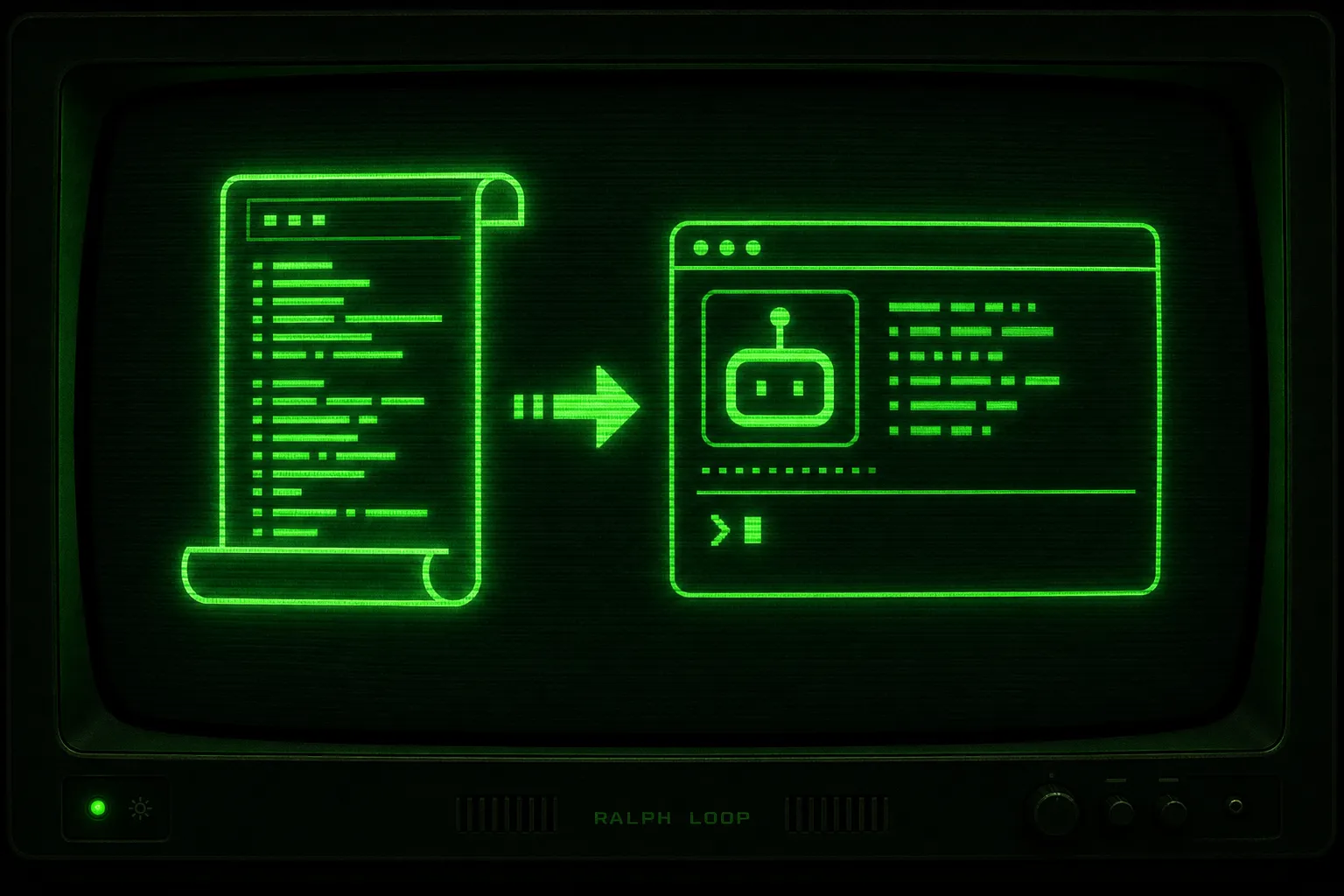
Wire OpenAI’s Codex CLI into a Ralph loop with one flag, pass model and approval flags after the separator, and let it grind through your task list inside a sandbox.
One-shot prompting solves small changes in a single response and stalls on hard ones. A Ralph loop iterates with fresh context and tests until the work is actually done.
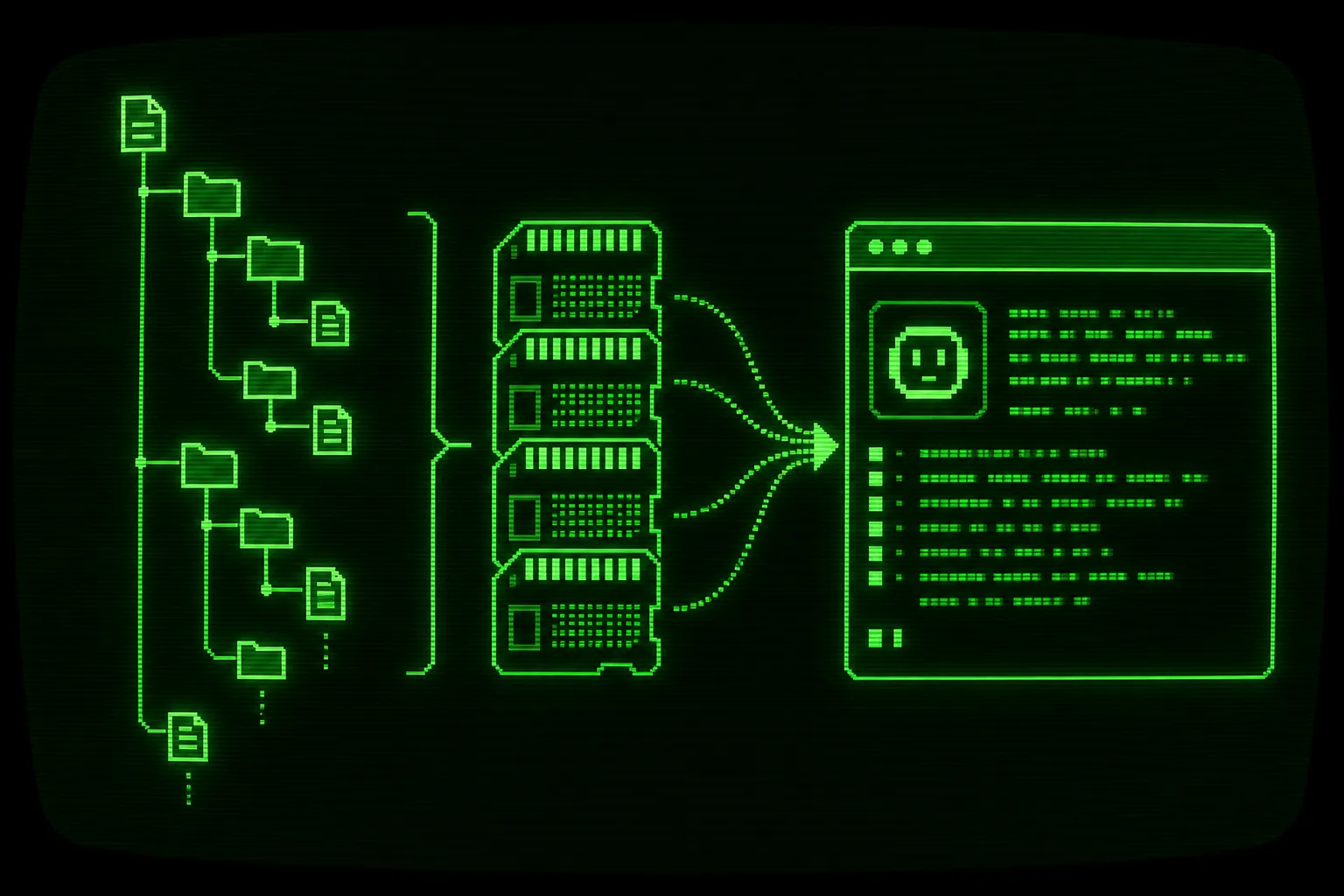
Long-running agents lose the plot when one context window fills up. Start each iteration fresh and keep durable state on disk so progress never lives in chat history.
Run Claude Code in an autonomous loop that keeps a fresh context every iteration, stops on an explicit completion promise, and stays sandboxed.
Geoffrey Huntley popularized the Ralph technique by running a coding agent in a plain Bash loop until a working programming language fell out the other end. Here is where the idea came from and why it stuck.
Give an autonomous coding agent a real boundary instead of trusting its permission prompts. Here is how Docker Sandboxes isolate an agent in YOLO mode without exposing your machine.
Spec-driven development hands an AI coding agent a PRD, a task list, and acceptance criteria instead of a vague prompt. Here is the full workflow and how Ralph runs it.
Long autonomous runs fail on three axes (context, cost, crashes). Here is the architecture that keeps an AI coding agent productive overnight and across days.
An agentic coding CLI is an AI agent you drive from the terminal. Here is the field guide to the six Ralph supports and how to run any of them in a loop.
The Ralph technique runs a coding agent in a loop until it signals completion. Fresh context each iteration, state on disk, and a promise tag that tells the loop when to stop.